Towamencin Township Native Habitat Restoration Project
Details Coming Soon
Welcome to the Towamencin Environmental Advisory Council (EAC) Native Habitat Restoration Project!
The EAC is proud to announce the launch of our Municipal Native Habitat Restoration Project - an exciting initiative combating invasive species and restoring native plant life in front of the municipal building. The designated “no-mow” area at the Municipal Complex is overrun by invasive Canada Thistle, one of Pennsylvania’s most aggressive species. Our goal is to eliminate invasive species, restore a thriving native habitat, and create an educational, welcoming green space for the community. This page serves as your hub for updates, information, and progress reports on one of our townships’ most exciting environmental initiatives.
The Issue
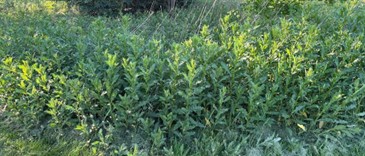
The designated no-mow area at the municipal building was overrun with Canada Thistle (Cirsium arvense), an aggressive and highly invasive weed. This plant is not just unsightly — it’s ecologically destructive. An infestation this size can produce up to 100 million seeds annually, carried by the wind to properties across the township. Towamencin municipal law prohibits leaving this noxious weed unmanaged on public lands.
What we are Doing
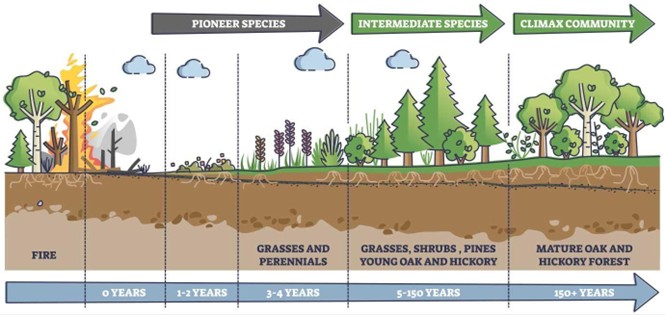
We are restoring the native habitat by applying methods based on the ecological process of succession.
Phase 1 – Invasive Species Removal (2025)
We started with three applications of environmentally responsible herbicides to eliminate 90–95% of the Canada Thistle population. Why are we using herbicides? While we strongly support natural solutions for smaller and less invaded areas, completely eradicating invasive species is essential — native plants cannot establish themselves while invasives dominate the soil and ecosystem, and hand weeding or other methods are only practical for small areas. For the restoration sites in Towamencin, the methods, including the chosen agents, timing, and amounts, were carefully evaluated for risk versus benefit and approved by ecologists and experts from the Penn State Master Gardeners, Morris Arboretum, Perkiomen Watershed Association, the EPA, or others. The techniques we used maximize ecological benefit and minimize risks to non-target species. Weeds, Inc., a licensed professional company with a solid reputation that has installed meadows for some of these organizations, was Towamencin’s choice for this task.
Phase 2 – Seeding Native Grasses (Fall 2025)
In November, we overseeded the area with a custom mix of native grasses, including:
58% Little Bluestem Schizachyrium scoparium
4% Indiangrass Soghastrum nutans
15% Virginia Wild Rye Elymus virginicus
5% Deertongue Panicum clandestrinum
5% Bottle Brush Grass Elymus hystrix
2% Autumn Bentgrass Argostis perennans
6% Purpletop Tridens flavus
5% Broomsedge Andropogon Virginicus
These grasses:
- Grow 2–5 feet tall
- Improve soil health through deep root systems
- Absorb stormwater and prevent erosion
- Outcompete thistle once established
- Provide food and shelter for wildlife
- These grasses should germinate quickly and begin establishing in spring 2026.
Phase 3 – Wildflowers & Native Trees (Fall of 2026)
Once the thistle has been controlled and the soil improved:
- We’ll mow a perimeter strip to thin out the grasses and create room for wildflowers.
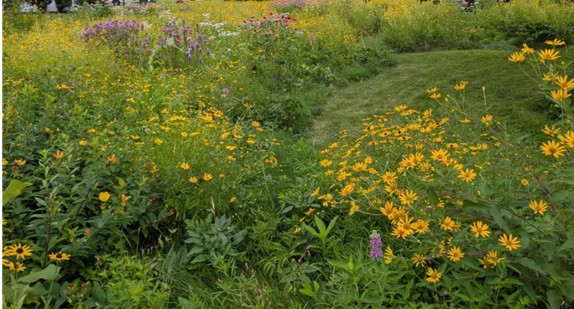
- We’ll then overseed the area with a diverse mix of native wildflowers to add seasonal color and improve habitat diversity.
- At the same time, we’ll plant native tree species within the interior providing:
- Shade
- A showcase of native flora
- Expanded habitat for birds and other wildlife
- Long-term support for wildlife, including pollinators and birds
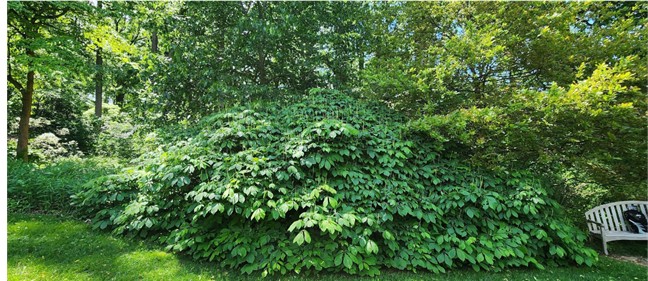
Phase 4 – Community Access & Enhancements (2026 and beyond)
With the habitat restored, we’ll focus on adding walking paths and eco-friendly amenities, such as:
- Benches
- Birdhouses
- Interpretive signage
This will foster a peaceful, educational environment where residents can connect with nature and understand the importance of native ecosystems.
Why It Matters
By replacing invasive species with resilient native plants, we’ll be:
- Enhancing biodiversity
- Improving stormwater management
- Restoring soil health
- Creating habitat for pollinators, birds, and other wildlife
- Building a lasting environmental legacy for Towamencin
A Model for the Township
This project is more than just a restoration effort — it’s a proof of concept.
We’re starting with the no-mow area in front of the Towamencin Municipal Building, where the results will be highly visible to the community. This central location allows us to demonstrate the benefits of native habitat restoration while also carefully monitoring what works and what doesn’t.
Our ultimate goal is to apply the lessons and methods learned here to other public spaces across Towamencin that are impacted by invasive overgrowth. With each successful project, we will keep building a healthier, more resilient environment for future generations.
Stay tuned for project updates, volunteer opportunities, and progress photos as we work together to transform this space into a thriving native habitat!